April 7, 2026
The aftermath of a car collision can be overwhelming, leaving you unsure of the necessary steps to take. This guide will provide a comprehensive approach to effectively managing the situation after your car has been damaged in a collision. Collisions not only cause physical damage but also lead to financial and logistical challenges. Understanding the right steps to follow can make dealing with the situation more manageable and less stressful. With this article, you'll be guided on how to maintain safety, document the incident, and address repair-related concerns with collision repair services.
1. Ensure Safety First
If possible, move your vehicle out of traffic to a safe area to prevent further collisions. Staying in a high-traffic area can potentially lead to additional accidents and increase the risk of injury. It is crucial to remain vigilant about your surroundings while moving your vehicle to ensure no further harm comes to you or others. Once safely aside, evaluate the immediate environment for any hazards, such as fire risks or exposed fuel lines. Ensuring your car is in a secure location will also facilitate the smooth exchange of information with other affected parties.
After securing your vehicle, the next step is to assess yourself and others involved for injuries. It is essential to prioritize health and safety above all else. Even minor injuries can sometimes escalate, so seeking medical attention when needed is crucial. Contacting emergency services should be a priority if any injuries are present. Immediate medical evaluation not only aids in individual recovery but can also play an important role in legal and insurance matters.
Regardless of the severity of the accident, it's often beneficial to report the incident to the police. A formal report can be instrumental in resolving disputes and facilitating insurance claims. It also ensures that an unbiased official document of the incident exists, which can prove invaluable later on. Police presence can also help manage traffic and restore order at the accident scene. Their involvement usually reassures all parties and helps in achieving a fair resolution.
To enhance visibility and warn oncoming traffic, turn on your hazard lights immediately. This small action can significantly reduce the risk of subsequent collisions. In addition to hazard lights, use any available warning signs, such as flares or cones, to further alert drivers. Visibility is crucial, especially in low-light conditions or areas with poor visibility. Keeping the scene secure helps protect not just you but everyone in the vicinity.
2. Document the Accident
It is essential to exchange contact, insurance, and vehicle information with the other parties involved. Gathering this data ensures you have all the necessary details for insurance claims and any potential legal actions. Make sure to note down names, phone numbers, insurance provider information, and vehicle registration numbers. Accuracy in this step can streamline the claims process, reducing delays and complications. Be clear and concise, ensuring all parties understand the necessity of sharing this information.
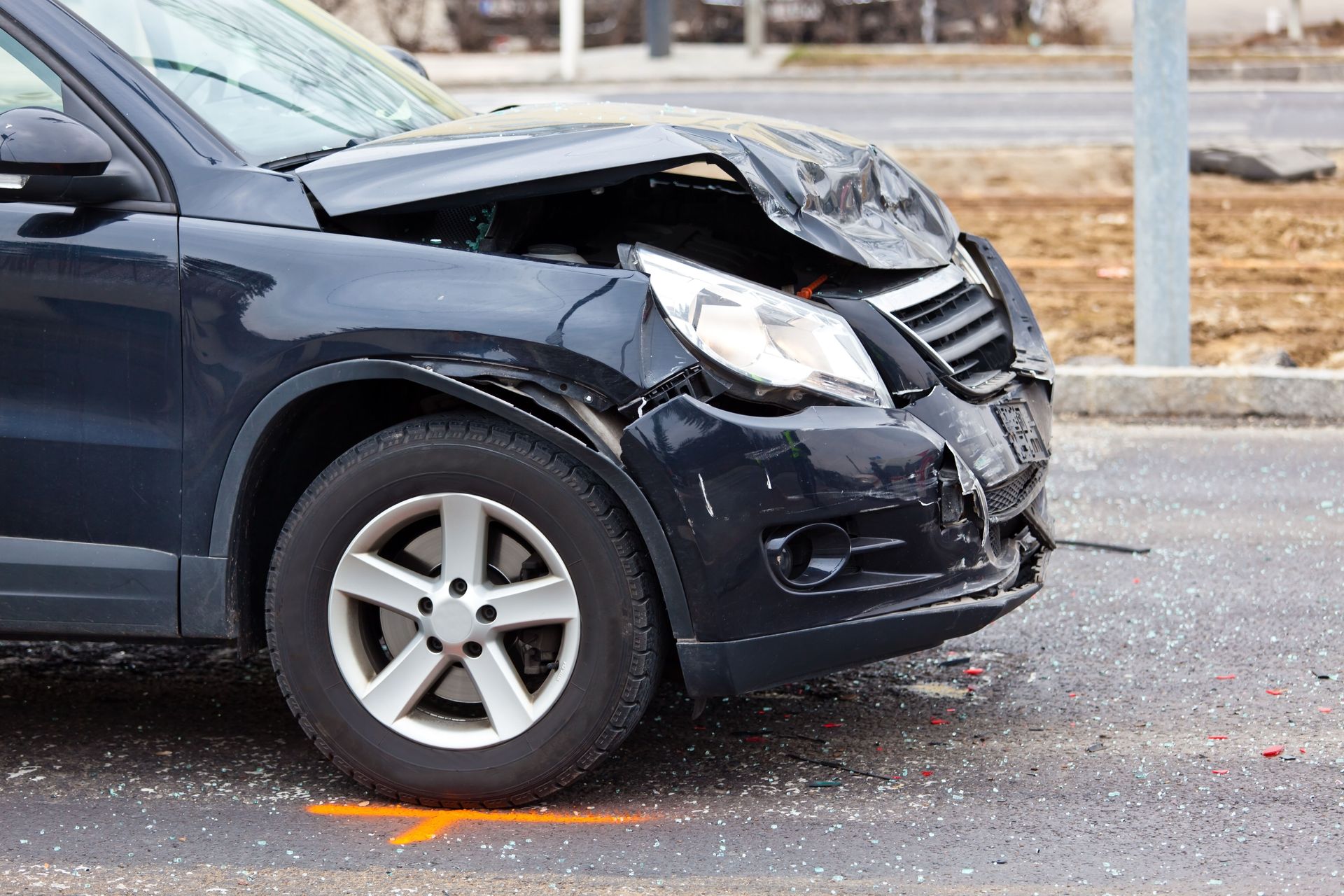
Document the scene, vehicle damage, and any visible injuries with photos and videos. These visual records can serve as invaluable evidence during insurance evaluations or legal proceedings. Capturing the scene immediately preserves details that might be otherwise overlooked or forgotten later. Focus on different angles to provide a comprehensive view of the damage and the accident setting. These records contribute to a more accurate and fair resolution of claims and responsibilities.
Gather contact information and statements from any witnesses present at the scene. Witness accounts can provide unbiased perspectives and help clarify the sequence of events. Ensure that these statements are collected promptly, as memories can fade over time. Politeness and respect during interactions with witnesses increase the likelihood of obtaining helpful testimonies. Witness statements can significantly strengthen your insurance or legal case by corroborating your account of the incident.
Note the time, date, location, weather conditions, and any other relevant details concerning the accident. These specifics can serve as crucial evidence in reconstructing the event. Consistent documentation prevents misinformation and supports your case in disputes over fault or damages. Having a detailed and well-organized record can facilitate smooth interactions with insurance companies and law enforcement. This thoroughness ensures that nothing essential is missed in the aftermath of the collision.
3. Notify Your Insurance Company
Inform your insurance company about the accident as soon as possible. Prompt notification helps initiate the claims process swiftly, preventing unnecessary delays. Be prepared to provide initial information regarding the accident's nature and the parties involved. Early communication ensures you're aware of the initial steps needed and your responsibilities. Engaging with your insurer at this stage facilitates a more organized approach to managing the accident fallout.
Offer a truthful account of the incident, including all relevant details and documentation. Full transparency with your insurance provider can prevent future disputes and complications. Include photos, witness statements, and the police report to support your account. This honesty is crucial, as discrepancies can lead to claim denials or legal challenges. Providing comprehensive and truthful information builds trust and aids in a smoother claims process.
Clarify what your policy covers, including damages, liability, and any additional benefits. Knowledge of your coverage scope will assist in setting realistic expectations for the claims process. Understand the nuances of what's covered to prevent surprises regarding out-of-pocket expenses. Consult with your insurance professional to address any questions or concerns about your policy. A thorough understanding of your insurance coverage ensures better preparedness and informed decision-making.
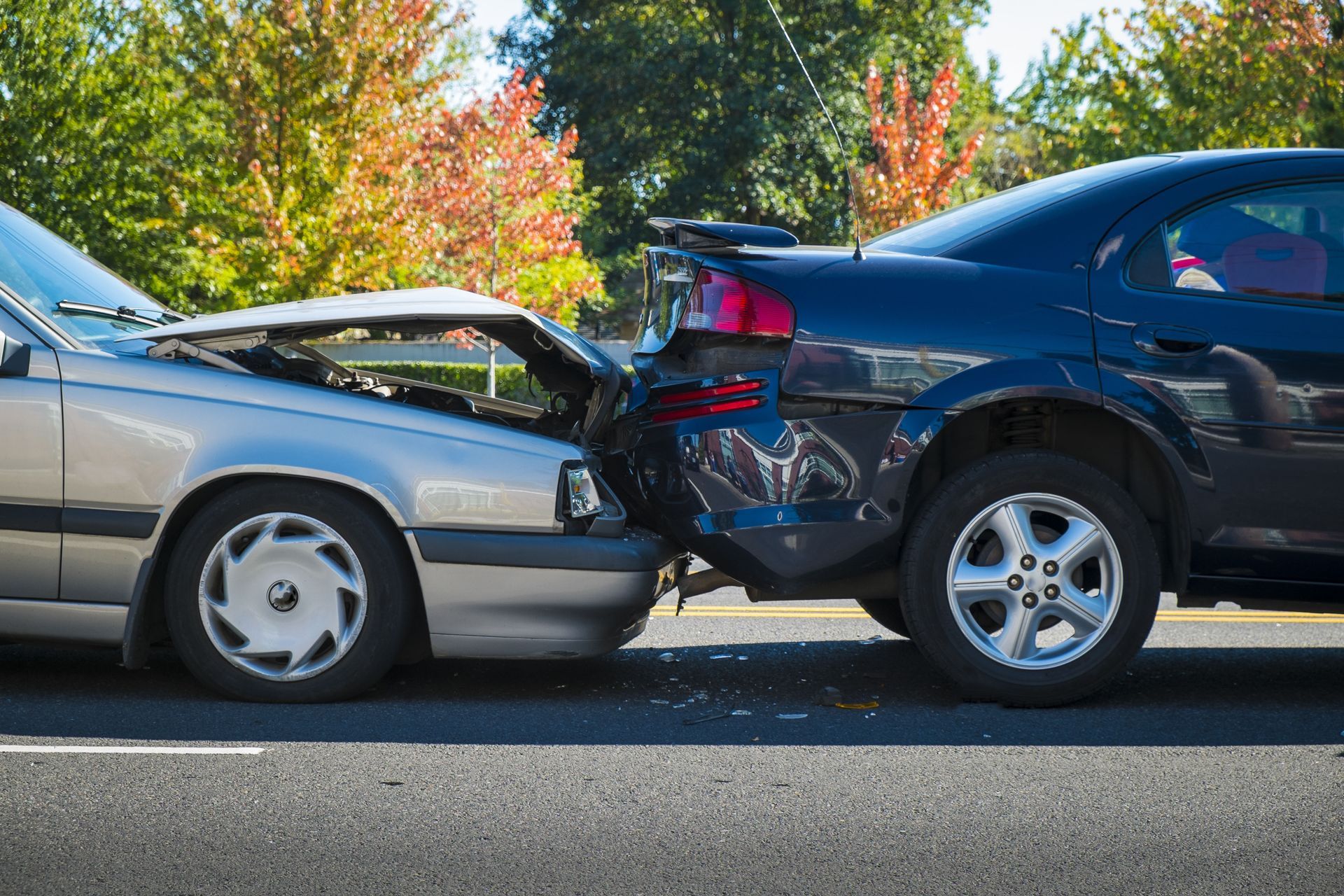
Regularly check the status of your claim and provide any further information requested. Staying in touch with your insurance agent demonstrates your commitment to resolving the matter efficiently. Follow-ups allow you to address any issues or additional details promptly, preventing unnecessary hold-ups. According to Amica Insurance, around 1.7 million rear-end collisions occur in the U.S. each year, highlighting the importance of being prepared for insurance-related interactions. Proactive engagement ensures you're informed about your claim's progress and can take timely actions as necessary.
4. Evaluate and Repair Vehicle Damage
Determine whether the car is drivable or requires immediate towing and repairs. Evaluating a vehicle's condition carefully post-accident helps decide the urgency of repair actions. Insight into damage severity allows you to manage repair priorities more efficiently. Effective assessment also aids in coordinating with insurers and repair shops about what needs to be addressed first. This knowledge is crucial, particularly if multiple estimates or inspections are involved.
Get multiple estimates from reputable collision repair services for comparison. This diversity of estimates ensures you make informed decisions regarding cost, quality, and timeframe. Consider dealing only with certified and experienced repair specialists who adhere to industry standards. Evaluating different estimates helps guard against overly high pricing or inadequate services, benefiting your wallet and vehicle in the long run. A comprehensive comparison fosters accountability and transparency among service providers.
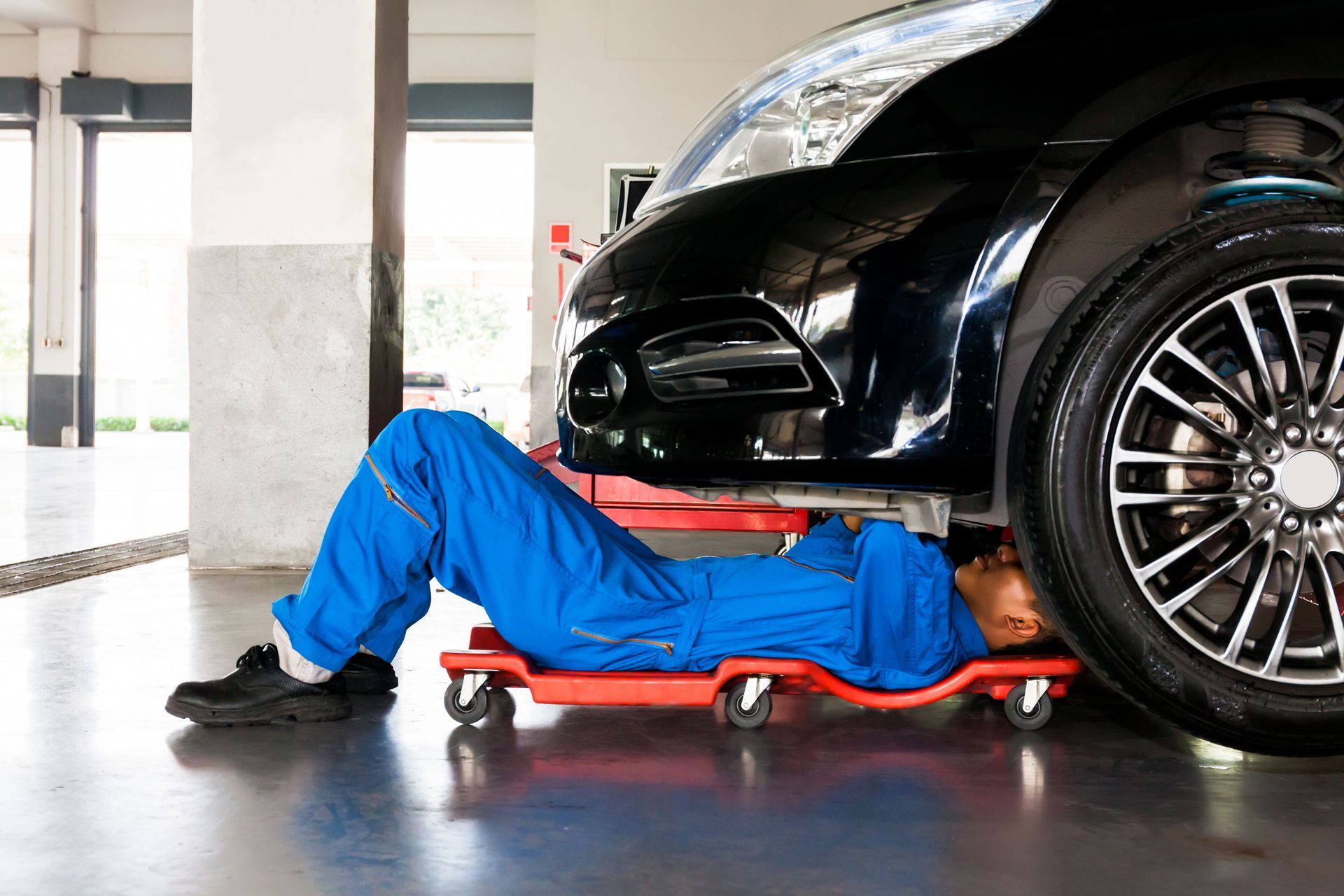
Select a repair shop considering factors such as reputation, warranty, and location. Researching repair service providers gives you insights into their reliability and service quality. Assess reviews, credentials, and warranty offers before making a decision. Location proximity should also factor into your choice since ease of transport might impact cost and convenience. Selecting a trusted repair shop ensures your car receives proper attention and repair quality.
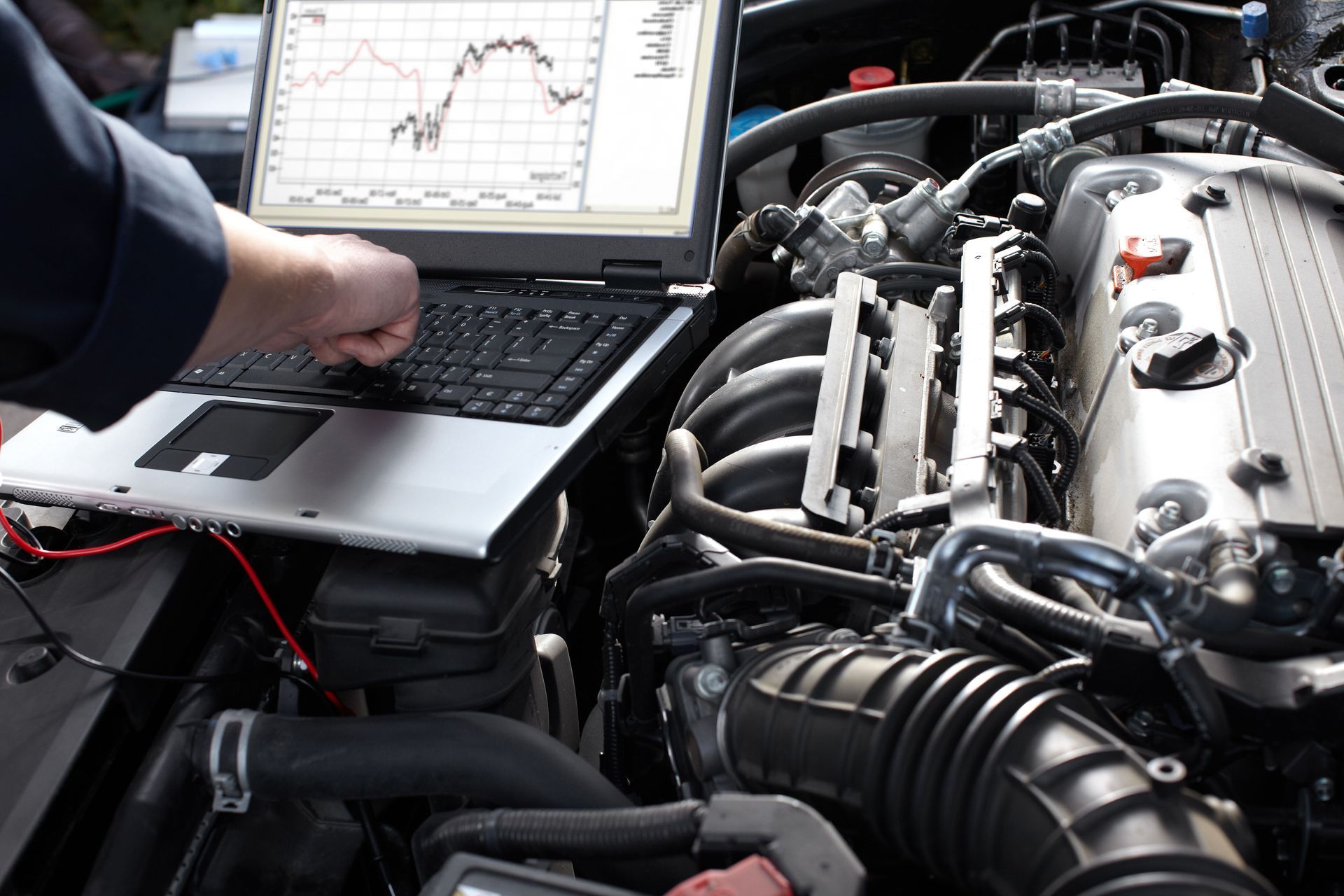
Discuss the repairs needed and understand the parts and methods to be used. Engaging actively with repair technicians clarifies expectations and verifies appropriate solutions. Collect information on specific parts needed and any potential alternatives, weighing their benefits and drawbacks. Comprehending repair options fosters transparency, allowing you to make well-informed choices about your vehicle. Actively participating enhances confidence in the repair outcomes and decision-making.
Coping with a car collision requires a systematic approach to ensure all necessary steps are taken. By following the guidelines outlined in this article, you can navigate the process of documentation, repair, and insurance in a way that is efficient and minimizes stress. Each incident provides an opportunity for learning and implementing safer practices moving forward. Adopting comprehensive strategies fosters safety awareness, preparedness, and ultimately protects both you and other road users. Emphasizing positive outcomes helps turn challenging incidents into productive avenues for personal and communal safety improvements. For
collision repair services you can count on, contact Groveport Service Center today.